


Stanley Zhong, et al. v. The Regents of the University of Washington, et al.
Gifted student challenges University of Washington’s race-conscious admissions policy
Stanley Zhong is challenging UW’s race-conscious admissions policy.

Billy Don Farris v. Sheriff Darrell Warren
Retired general challenges local sheriff’s attempt to ban him from excluding trespassers
Brigadier General Billy Don Farris served in the U.S. Army for over 30 years, earning a Purple Heart for his service in Iraq. When he retired from the Army, he bought an 80-acre farm in Gloucester County, Virginia, where he could enjoy the area’s rich history and the peace of the natural world alongside his […]
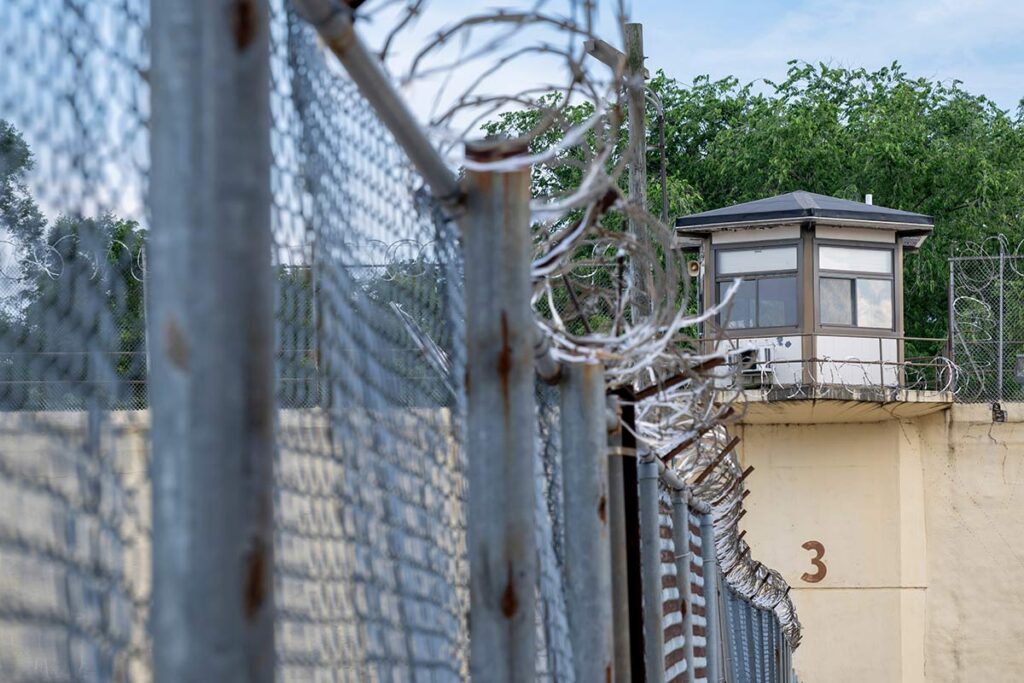
Joshua Young v. Colorado Department of Corrections
Colorado corrections sergeant challenges race-based blame in state’s mandatory training
Former Colorado corrections sergeant asks Supreme Court to review his civil rights suit challenging mandatory training.

Mortgage Bankers Association v. Jennifer Davenport
Trade association challenges New Jersey rule pressuring businesses to discriminate on the basis of race
Mortgage Bankers Association challenges New Jersey’s rule expanding disparate impact liability.

Jamie Gallagher v. Anuradha Rao-Patel
North Carolina nurse practitioner sues for the right to work without a physician’s permission
NP Jamie Gallagher sues North Carolina over costly physician-permission rules that block qualified care and burden patient access.

Modular Building Institute v. Christina Stephenson
Oregon tries to control work done entirely outside its borders
Oregon’s 2025 law forces out-of-state modular builders to follow its wage rules, and MBI argues that oversteps state power.
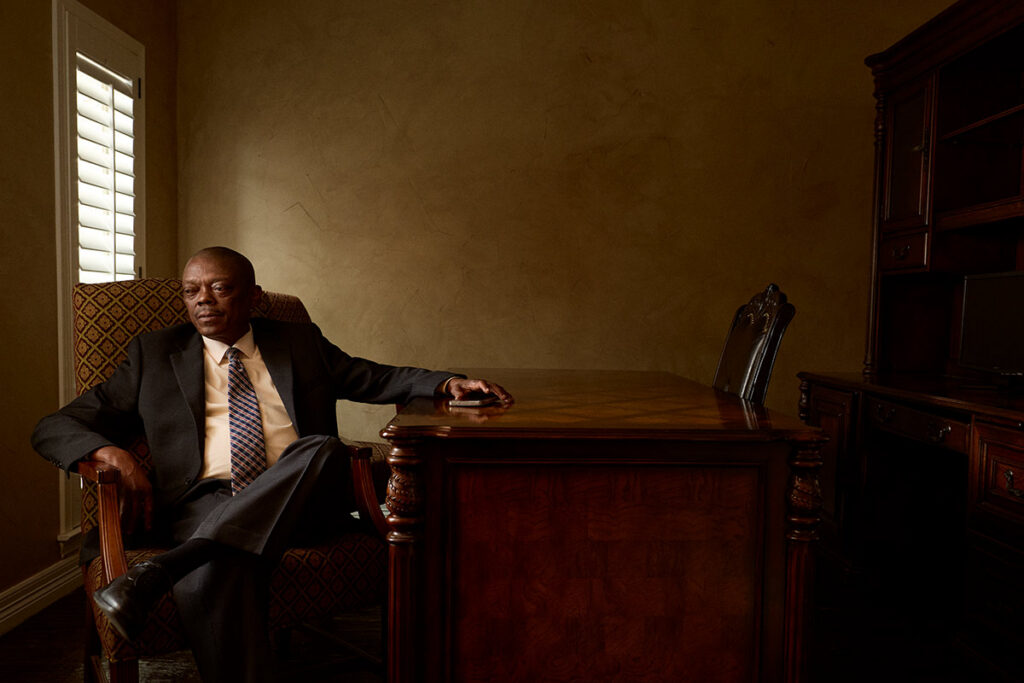
George Anibowei v. Todd Blanche
After five warrantless searches, he’s taking his fight to the Supreme Court
Anibowei sued to challenge the government directives permitting agents to search travelers’ phones without a warrant or any suspicion at all.

Catherine Gatzimos v. Administrator of the National Oceanic and Atmospheric Administration
Therapy client challenges federal rule that banned dolphin-assisted treatment in Hawaii
Catherine Gatzimos challenges a dolphin-swim ban, arguing an unlawfully appointed official issued the rule and ratification can’t cure it.

Willard Land, LLC v. U.S. Army Corps of Engineers
Utah homebuilder fights for right to provide housing to his community
In his lawsuit, Swain asks the court to rein in the agency's power grab based on the Supreme Court's ruling in Sackett v. EPA.